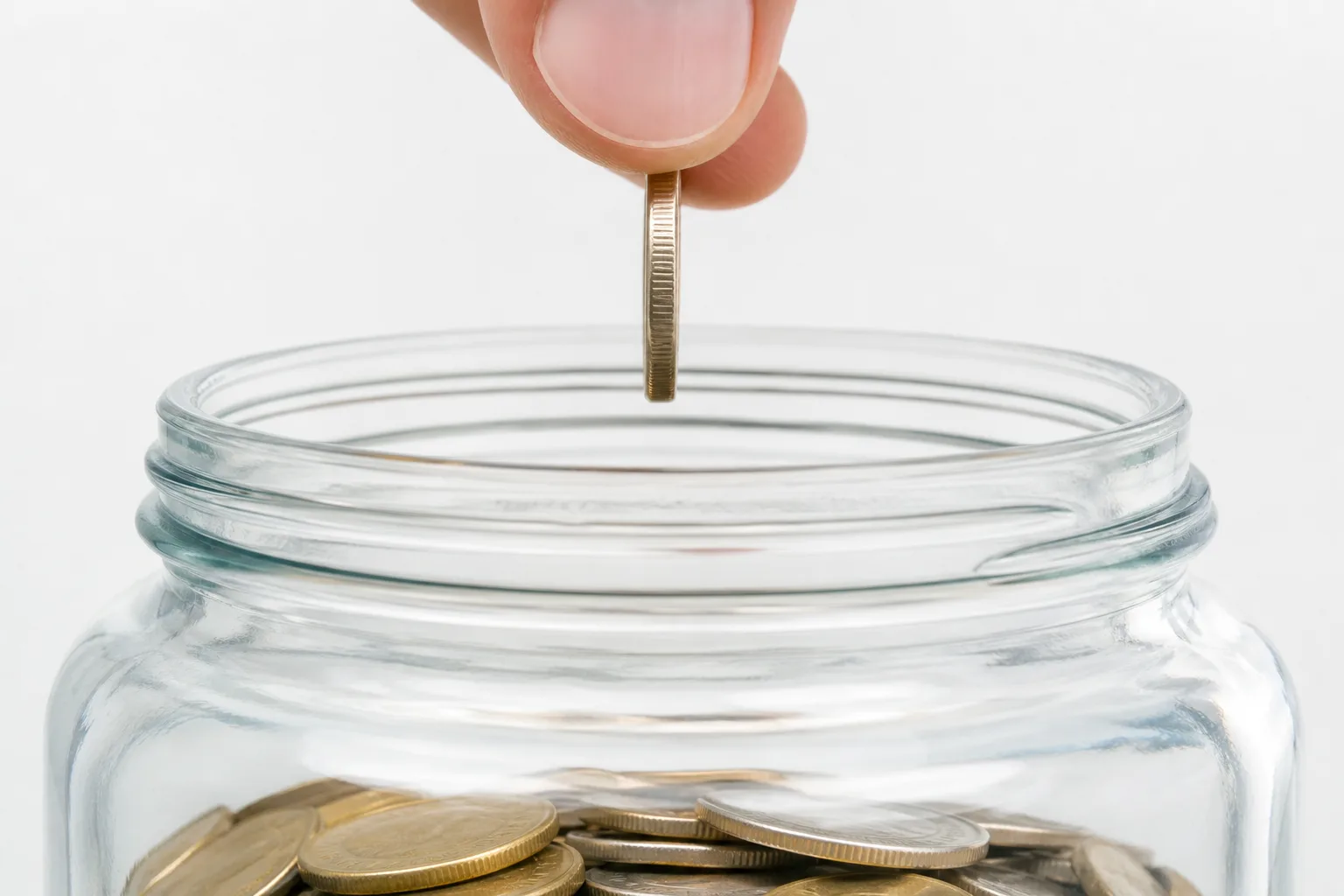
When every surprise expense lands on a credit card, it can feel like you are doing something wrong with money. More often, the issue is simpler: there is no accessible cash cushion between an unexpected cost and your next paycheck.
Using credit cards for emergencies is often a practical response to a real gap, not a character flaw. A car repair, prescription, school expense, or reduced work schedule can create an urgent bill before you have money set aside. The goal is not to shame yourself out of using credit. It is to gradually create another option: a small starter buffer in cash.
Why emergencies keep becoming credit card charges
An emergency is not always a dramatic event. Many expenses are predictable in the sense that they will happen eventually, but their timing and cost are not. Tires wear out. Kids need something for school. A pet gets sick. A utility bill comes in higher than expected.
When your paycheck is already assigned to rent, food, transportation, minimum debt payments, and other necessities, even a modest surprise can exceed what is left. A credit card fills that timing gap.
That can create a frustrating cycle:
- An unexpected bill goes on the card.
- The balance increases your required payment or adds interest charges.
- The next paycheck has less flexibility.
- The next surprise goes on the card, too.
Breaking this cycle does not require building a large emergency fund immediately. It starts with setting aside a small amount of cash for true surprises.
Start with a starter buffer, not an overwhelming savings goal
Saving several months of expenses can be a useful long-term direction, but it may feel impossible when money is tight. A starter buffer is different: a smaller amount meant to handle the next urgent, unavoidable cost without automatically reaching for a card.
Choose a first target that feels meaningful and reachable. For one person, that might cover a prescription and a ride to work. For another, it could cover a minor car repair or a utility shortfall. The right first number is one you can realistically build while still paying for necessities.
Your first target does not need to cover every possible emergency. Its job is to interrupt the pattern. Even a modest cash reserve can turn a full credit card charge into a smaller one—or prevent one altogether.
Keep this money separate from everyday spending if you can. A savings account, separate bank sub-account, or another clearly labeled place can make its purpose easier to see. It should be accessible when you need it, but not so mixed with spending money that it disappears on ordinary purchases.
Find a savings amount that can survive real life
A savings plan works only if it fits your current situation. Trying to save an amount that leaves you short on groceries or transportation may send you right back to the card.
Start by reviewing the last month or two of spending. You are not looking for perfection. You are looking for a small, repeatable opening.
Ask yourself:
- Is there an expense I can reduce, pause, or renegotiate for now?
- Do I receive irregular income, refunds, gifts, overtime pay, or reimbursements that could partly go toward my buffer?
- Are there recurring charges I no longer use?
- Is there a small amount I could move after each paycheck without causing a new shortage?
- Which expenses tend to surprise me, and can I set aside a little for them separately?
A regular transfer can help, but it does not need to be large. Moving a small amount on payday makes saving a planned bill to yourself rather than an afterthought. If automatic transfers are risky because your income or account balance changes often, set a reminder to transfer money manually after you confirm your essentials are covered.
When extra money arrives, consider splitting it. Put some toward an immediate need, some toward high-priority debt or bills, and some toward the buffer. You do not have to put every extra dollar in one place to make progress.
Separate “expected eventually” from “urgent and unexpected”
Emergency money can disappear quickly when it is used for costs that were likely to arrive. That is understandable, especially when there has not been room to plan ahead. Over time, it can help to create a second category for irregular but expected expenses.
Examples include:
- Annual subscriptions or membership renewals
- Car maintenance and registration
- Holiday and birthday spending
- Back-to-school costs
- Routine medical, dental, or pet care
- Clothing replacements
You might call these sinking funds, which simply means small savings buckets for known future expenses. You do not need several accounts to do this. A note in your budgeting app or a simple list can show how much of your savings is intended for each purpose.
Your emergency buffer is for costs that are urgent, necessary, and not reasonably planned for. An unexpected medical copay, essential home repair, or transportation needed to keep working may qualify. A sale, social event, or routine bill you knew was coming usually belongs elsewhere.
The line will not always be perfect. The point is to make a deliberate choice instead of treating every financial pressure as an emergency.
What to do when an emergency happens before the buffer is built
You may face a real emergency while you are still saving. That does not mean the plan failed. It means you are in a transition period, and the next best choice may involve several tools.
First, pause long enough to define the actual problem. How much is due now? Is the cost essential for safety, housing, health, transportation, or work? Can the provider offer a payment plan, due-date extension, hardship option, or lower-cost alternative? Asking does not guarantee help, but it can reveal options you did not know were available.
If you need to use a credit card, try to limit the charge to the necessary amount. Avoid adding unrelated purchases simply because the card is already being used. Keep the receipt or note the charge so you can account for it in your next plan.
Then make a recovery plan once the immediate crisis has passed:
- Use available buffer money first, if this is a true emergency.
- Cover essentials and required minimum payments in your next budget.
- Direct any remaining money toward the new card balance or other urgent bill.
- Restart the buffer contribution, even if it is smaller for a while.
It can feel discouraging to rebuild savings after using it. But using a buffer for a genuine emergency is exactly what it is for. The success is not that the balance stayed untouched; it is that you had cash available and reduced the amount of new debt you needed.
Give the credit card a clear role while you transition
Credit cards can be useful payment tools, but they can become expensive when balances carry forward and interest accumulates. While you build your starter buffer, decide in advance what role your cards will have.
For example, you might use a card only for an urgent, necessary expense that cannot wait until payday. Or you may decide not to carry a particular card in your wallet to reduce impulse use. If a card is linked to online shopping or stored in apps, removing the saved card details can create a helpful pause before a nonessential purchase.
If you already have card debt, focus on staying current on required payments while making your budget workable. Then choose a payoff approach that fits your situation, such as prioritizing the highest-interest balance or paying off a smaller balance first for momentum. You can build a starter buffer and pay down debt at the same time, though the split may be modest at first.
This is general information, not personalized financial advice.
Make your progress visible
A starter buffer can be easy to overlook when money moves in and out quickly. Tracking it gives every contribution a purpose.
Try a simple weekly check-in. Review your available cash, bills due before the next paycheck, card balances, and buffer total. If you use a budgeting tool such as Brightly Budget, create a category for your starter buffer and another for irregular expenses so you can see what each dollar is meant to cover.
Celebrate practical milestones instead of waiting for a huge final goal. The first time you pay for a surprise expense without borrowing is a milestone. So is needing less from a card than you would have before. So is rebuilding after a setback.
Build protection one small deposit at a time
The habit of using credit cards for emergencies usually comes from not having enough room in the moment—not from a lack of discipline. A starter buffer creates a little room where there was none.
Choose a realistic first goal, save a repeatable amount, keep the money separate from daily spending, and use it when a true emergency happens. As your situation allows, add small savings buckets for predictable irregular costs and keep growing the buffer.
You do not need to solve every financial risk at once. You only need to make the next unexpected expense a little less likely to become new debt.