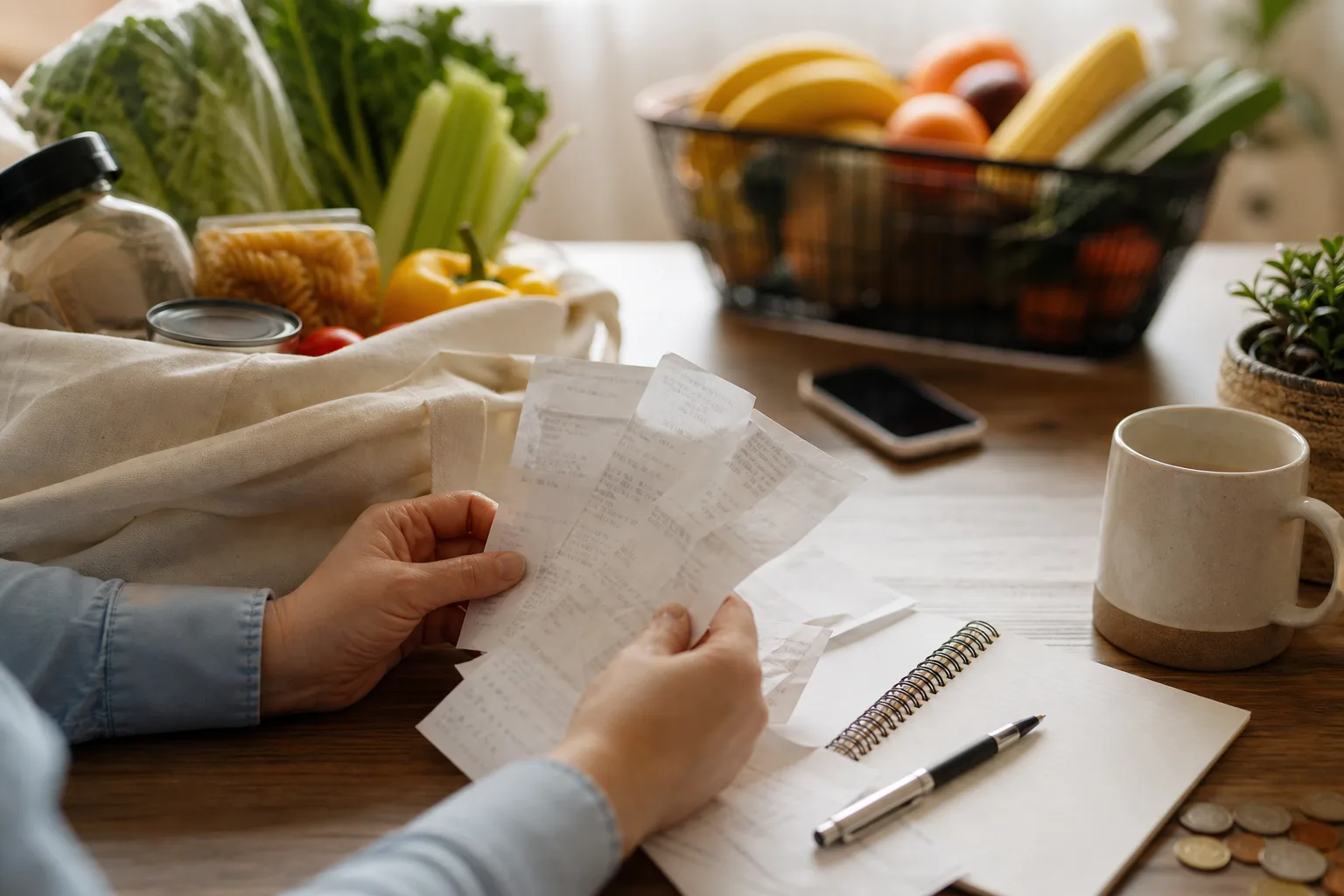
Your grocery budget looks reasonable at the start of the month, yet food spending somehow takes more than its share before payday. If you have been asking, “why is my grocery bill so high?”, the answer is often not one bad shopping trip. It is a handful of ordinary habits, changing needs, and rising costs adding up.
The goal is not to eat the same cheap meals every week or cut out every convenience item. It is to understand what your household actually spends on food, then build a plan flexible enough to work in real life.
Grocery spending is often bigger than the grocery store
A grocery budget can feel impossible when it includes more than the weekly supermarket run. Many people count only the big cart shop, while food spending quietly lands in other categories.
Common examples include:
- Quick trips for milk, snacks, or one missing dinner ingredient
- Coffee, bakery items, or lunch picked up while running errands
- Delivery fees, service charges, and tips
- Takeout after a tiring day when there is no easy meal at home
- Warehouse-club purchases that last more than one month
- Household products added to a grocery receipt, such as paper goods, cleaning supplies, and toiletries
- School, work, or activity-related food purchases
None of these purchases is automatically a mistake. But if they are not included in the food plan, your grocery category can seem to “blow up” even when your main grocery trip was sensible.
Start by defining your food budget
Choose a definition you can track consistently. You might create separate categories for groceries, dining out, and household supplies. Or you may prefer one broader food category that includes groceries, takeout, and coffee.
Separate categories can reveal useful patterns. A broad category can be simpler if you do not want to sort every receipt. Either approach can work if it reflects how you make decisions. The important part is not setting a grocery number while ignoring the rest of your food spending.
The hidden reasons a grocery bill grows
Food costs are personal. Household size, dietary needs, schedules, cooking skills, location, and access to stores all matter. Still, a few patterns can make spending especially hard to predict.
Shopping too often creates more opportunities to spend
A quick stop for bananas can turn into a basket of drinks, prepared food, and snacks. Frequent trips also make it easier to buy duplicates because you are shopping from memory instead of checking what is already at home.
You do not need to shop only once a month. Instead, give each type of trip a job:
- A larger trip for planned meals and staple items
- A smaller refill trip for fresh produce, milk, or bread
- An occasional restock trip for household goods
Before leaving, make a short list based on meals you will realistically cook and what you already have. A list is not about perfection; it creates a pause between seeing an item and adding it to the cart.
Convenience purchases solve real problems—at a cost
Prepared meals, pre-cut produce, delivery, and ready-to-heat foods can be genuinely helpful when time or energy is limited. The problem comes when your budget assumes every meal will be made from scratch but your life does not.
Rather than banning convenience foods, plan for them. You might choose a few easy dinners each week, keep frozen meals for difficult evenings, or set aside a specific amount for delivery. When convenience is intentional, it is less likely to become an unplanned budget surprise.
Meal plans can be too ambitious or too vague
An overly detailed meal plan may fall apart after one schedule change. But buying ingredients with no plan can lead to unused food, last-minute takeout, or both.
Try a middle ground: Plan a small number of dinners, not every meal. Choose recipes with overlapping ingredients and include at least one “use what we have” meal. Plan meals that fit your actual week. A complicated new recipe may be better suited to a quiet weekend than a busy Tuesday.
A flexible weekly plan could include:
- Two meals built around ingredients you already have
- Two simple, repeatable dinners
- One meal that makes leftovers
- One convenience or takeout night you budgeted for
- One flexible night for leftovers, freezer food, or a changed schedule
Household needs change from week to week
A budget that worked last year may not fit now. A growing child, a new roommate, a partner working from home, guests, sports practices, dietary changes, or a busier work schedule can all change what your household consumes.
That does not mean you have failed at budgeting. It means the budget needs updating. Compare several months of real spending rather than judging the plan by one unusually expensive week. Look for the normal range, including weeks when you restock pantry basics or buy more packed-lunch food.
Prices and package sizes can change without warning
Price changes are outside your control, and package sizes can change too. Even when you buy the same items, the total can rise. Seasonal produce, sales cycles, and availability may also affect the bill.
You do not have to track every price to respond. Identify a handful of high-cost items you buy regularly—perhaps proteins, specialty foods, snacks, or beverages. Check whether store brands, larger packages you can use before they spoil, frozen options, or a different store offer better value. Buy alternatives only when they truly work for your household; a bargain is not helpful if it goes unused.
Build a food budget from reality, not wishful thinking
The most sustainable budget begins with a baseline. Review recent transactions and receipts, ideally across a few typical months. Add up the categories you decided count as food, then note which purchases were recurring and which were unusual.
Do not use this review to criticize yourself. Use it to answer practical questions:
- How much do we usually spend on food in a normal month?
- Which purchases are planned, and which happen when we are rushed or tired?
- Are household supplies making the grocery number look larger?
- Which stores, meals, or items account for the biggest share?
- What expenses happen only occasionally but still need room in the plan?
Set your first target close enough to your recent average that you can realistically meet it. If you want to reduce spending, make a modest adjustment and test it for a month. A sharp cut can lead to skipped meals, food waste, or a later takeout rebound.
This is general information, not personalized financial advice.
Turn a monthly number into a weekly guide
Monthly budgets are useful, but food is bought throughout the month. Divide your planned monthly food amount into weekly spending guides, while leaving room for a bulk purchase, a fifth week, or an unexpected need.
For instance, you might reserve part of the monthly amount for pantry restocks and use the rest as a weekly target. If you spend less one week, carry the difference forward for a more expensive week. If you spend more, you will see it early enough to adjust the next trip rather than discovering the problem at month-end.
A budgeting tool such as Brightly Budget can help you review food transactions as they happen, but a notes app, receipt envelope, or simple spreadsheet can work too. The best method is the one you will check before your next shop.
Make each grocery trip easier to control
Small routines often work better than strict rules. Try choosing just one or two of these changes at a time:
- Check the fridge, freezer, and pantry before writing your list.
- Shop your existing ingredients first by planning one meal around them.
- Eat a snack before shopping so hunger does not choose your cart.
- Set a rough trip limit and total your cart as you go when possible.
- Keep a short list of low-effort meals for busy nights.
- Store leftovers where you will see them, and assign them a meal night.
- Freeze bread, meat, produce, or leftovers you will not use soon.
- Pause before multi-buy offers and ask whether you will use every item.
- Keep a small, planned amount for treats or convenience foods you value.
It can also help to compare unit prices—the cost per ounce, pound, or other standard measure—for similar products. But do not let a lower unit price pressure you into buying more than you can store or use.
Review the plan without turning it into a judgment
At the end of each week, spend a few minutes reviewing what happened. Did one large restock make the number look high? Did an unplanned event lead to extra meals out? Did a planned easy dinner prevent takeout? The answers show you what to change.
If your spending went over, avoid responding by setting an unrealistically low number for next week. Instead, identify the cause and choose one adjustment: schedule a larger shop less often, increase the convenience-food allowance, separate toiletries from groceries, or plan more meals around pantry items.
Predictable food costs do not mean every receipt will match the plan exactly. They mean your budget has room for your real household, your changing schedule, and the occasional expensive week. Once you track the full picture and use flexible weekly guides, grocery spending becomes less of a monthly mystery—and more of a category you can manage.